
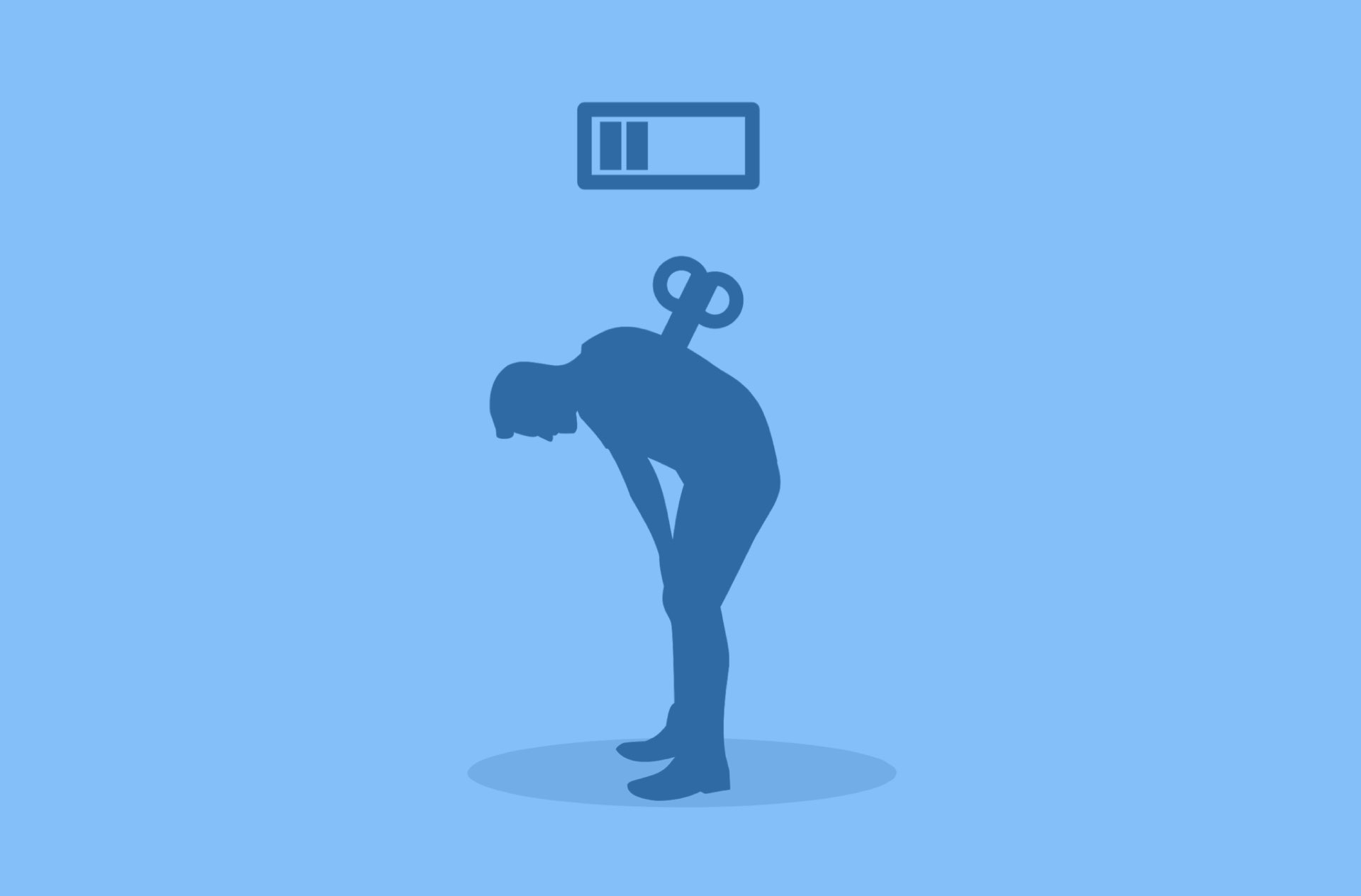
Nowadays we have more time-saving tools than any generation in history. We have AI agents to draft our emails, smart homes to manage our chores, and apps that optimize our sleep cycles. Yet, the common refrain of the modern professional isn’t „I’m so free,“ but rather, „I am drowning.“
The drive to be „efficient“ has moved beyond the office and infected our hobbies, our rest, and our sense of self. When your worth is tied exclusively to your output, you aren’t a person anymore—you’re a machine with a failing battery.
Table of Contents
What is Toxic Productivity?
Toxic productivity is the unhealthy obsession with being productive at all times, regardless of the cost to one’s physical health, mental well-being, or personal relationships. It is the internalised belief that one’s self-worth is 1:1 with their daily output, leading to a „never enough“ mindset.
While standard productivity is about achieving goals efficiently to create more free time, toxic productivity views free time as a „waste“ or an opportunity to be „optimized.“
The Evolution of the Hustle
A decade ago, „hustle culture“ was about the grind—staying late at the office to get ahead. Today, it’s about optimization. We don’t just go for a walk; we track our zones and heart rate variability. We don’t just read a book; we listen to a 10-minute AI summary so we can „consume“ the knowledge faster.
This shift is fueled by a subconscious „AI Shadow“—the nagging fear that if we aren’t hyper-efficient, we’ll become obsolete. We’ve turned „slow living“ into a performative aesthetic on social media, ironically spending hours editing a video of ourselves „relaxing“ just to prove we’re doing it right.
The 5 Red Flags of Toxic Productivity
How do you know if you’ve crossed the line from ambitious to obsessive? Look for these signs:
- Rest Guilt: You feel anxious when you aren’t „doing something,“ treating relaxation as a waste of time.
- Shifting Goalposts: The moment you hit a milestone, you feel a hollow „What’s next?“ instead of satisfaction.
- Neglecting Maintenance: You skip meals or sleep because they aren’t „billable hours.“
- The Side-Hustle Pipeline: You can’t enjoy a hobby—like painting or coding—without wondering how to monetize it.
- Performance Shame: A low-energy day feels like a moral failing rather than a biological reality.
Physical and Mental Health Effects of Toxic Productivity
Toxic productivity isn’t just a mindset; it’s a physiological tax on the body. When we treat ourselves like machines, the hardware eventually fails.
- Chronic Cortisol Overload: Constant „hustle“ keeps the body in a state of fight-or-flight. This leads to elevated cortisol levels, which are linked to systemic inflammation, weakened immune systems, and heart disease.
- The „Cognitive Tunnel“: When we focus solely on output, our brain’s prefrontal cortex becomes fatigued. This leads to Decision Fatigue, making it nearly impossible to solve complex problems or regulate emotions.
- Sleep Fragmentation: The obsession with „winning the morning“ often leads to sacrificing the night. Toxic productivity promotes „Revenge Bedtime Procrastination,“ where you stay up late scrolling because it’s the only time you feel in control of your schedule.
- Identity Erosion: Mentally, when your self-worth is $1:1$ with your daily output, a low-energy day isn’t just a „bad day“—it becomes a full-blown existential crisis, leading to depression and social isolation.
How to Overcome the Cycle of Toxic Productivity
Breaking free from toxic productivity isn’t about being lazy; it’s about being sustainable.
- Practice „Productive Meditation“: Spend five minutes sitting without a screen, a book, or a goal. Learn to sit with the discomfort of being „useless.“
- The „Done“ List: Instead of a To-Do list that never ends, keep a „Done“ list. Record every win—even small ones like „took a 20-minute walk“—to rewire your brain to see what is present rather than what is lacking.
- Schedule „White Space“: Block out time on your calendar labeled „Nothing.“ If someone asks to book it, tell them you have a prior commitment. That commitment is to your own sanity.
- The Hard Shutdown: Create a ritual to end your day. Close the laptop, put it in a drawer, and change your clothes. It’s a physical signal to your brain that the „Performance Phase“ is over.
Conclusion: Toxic Productivity makes us less effective
The irony of toxic productivity is that it actually makes us less effective. Research consistently shows that after 50 hours of work a week, output drops off a cliff. We aren’t doing more; we’re just making more mistakes and taking longer to fix them.
To truly thrive, we must replace the „always-on“ mentality with a rhythmic approach to life—one that honors the natural ebb and flow of human energy. When we stop measuring our days by how much we produced and start measuring them by the quality of our presence, we don’t just become better workers; we become more whole versions of ourselves.
Final Thought: You are a human being to be nourished, not a machine to be programmed. Your value was never determined by your output, and your greatest breakthroughs will rarely happen at your desk—they happen in the quiet spaces you finally allow yourself to inhabit.